

thermocouple voltage calculator
Convert thermocouple millivolt readings to temperature or vice versa using standard type-specific reference tables and equations for accurate measurements.
type k thermocouple calculator
A thermocouple detects temperature as a measurable voltage by the Seebeck effect. This calculator interpolates NIST reference data to convert currently measured millivolts into the correct temperature (in Celsius) of a variety of thermocouple types.
Formula & Table Summary:
Formula:
\( V = S \times (T_{hot} - T_{cold}) \)
thermocouple voltage table
The Thermocouple Voltage Calculator allows you to translate thermocouple output voltage (in millivolts) to temperature readings, or temperature in anticipated voltage output. A thermocouple has a low electromotive force (EMF) that is caused because of the Seebeck response which is bound by the variation of temperature between the measuring junction and the reference junction. Standardized polynomial equations or the NIST reference tables are used in the calculator at different thermocouple types (e.g. Type K, J, T, E). Specifying the type of thermocouple and entering a voltage value or a temperature value goes a long way to obtaining an accurate conversion, which allows it to be useful in industrial applications, HVAC, lab equipment, and electronics-based work.
thermocouple emf calculator
| Temp (°C) | Voltage (mV) |
|---|---|
| 0 | 0.000 |
| 25 | 1.000 |
| 50 | 2.039 |
| 100 | 4.095 |
| 200 | 8.138 |
| 500 | 20.644 |
Frequently Asked Questions - thermocouple voltage calculator:
What is a thermocouple?
A sensor that measures temperature using the voltage generated by the Seebeck effect.
How does a thermocouple produce voltage?
It generates EMF when two different metals are joined and exposed to a temperature difference.
What is the Seebeck effect?
The conversion of temperature difference directly into electric voltage.
Which thermocouple types are supported?
Common types like K, J, T, E, N, R, S, and B.
How accurate is this calculator?
Accuracy depends on input data and reference table precision.
Do I need cold junction compensation?
Yes, to account for the reference junction temperature.
Can I convert mV to °C?
Yes, by using the NIST voltage-temperature conversion equations.
Is type K the most common?
Yes, due to its wide temperature range and durability.
What units are used?
Millivolts (mV) for voltage and degrees Celsius (°C) for temperature.
Does wire length affect voltage?
No, if the wires are made from the correct thermocouple materials.
Related Posts
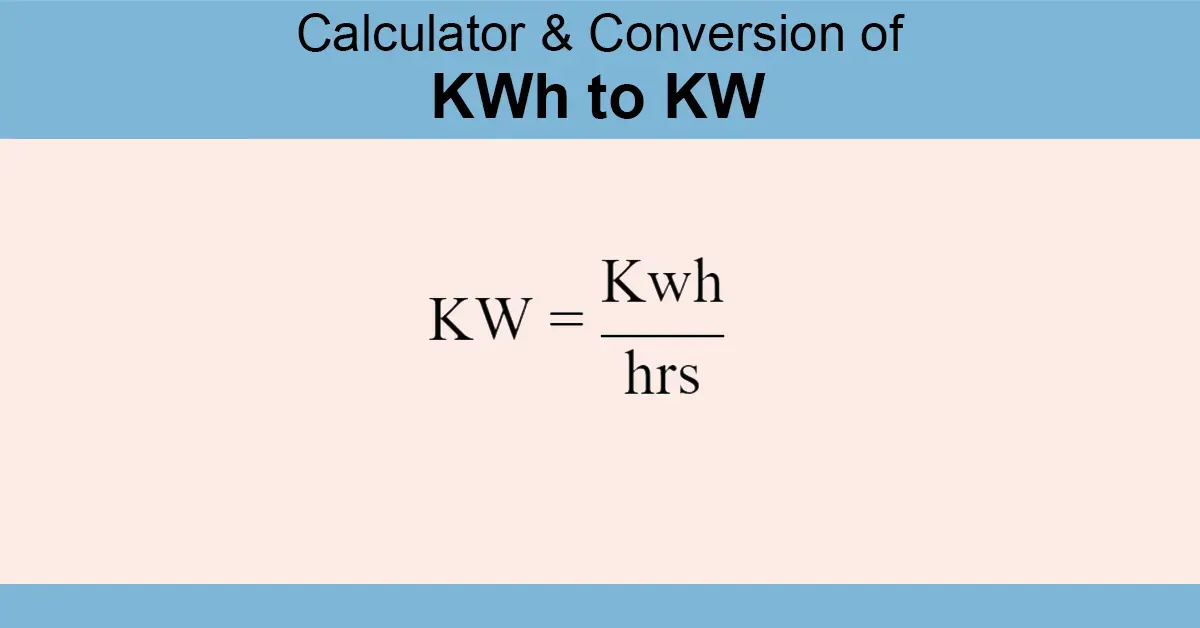
kWh to kW Calculator
Easily convert kilowatt-hours (kWh) to kilowatts (kW) using this simple calculator. Just enter energy and time to find power in kilowatts instantly.
current imbalance calculator
Calculate percentage current imbalance in three-phase systems using % I imb= {(Imax - Iavg) / Iavg} * 100
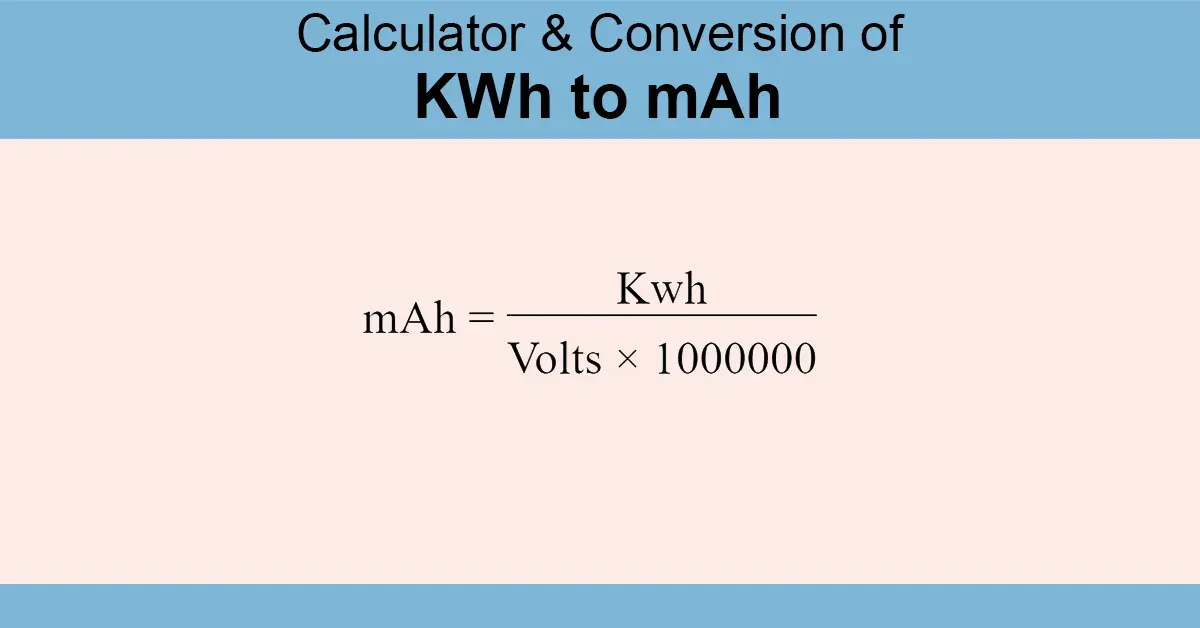
kWh to mAh Calculator
Instantly convert kilowatt-hours (kWh) to milliamp-hours (mAh) using voltage. Accurate battery capacity tool for energy, solar, and electronics projects.
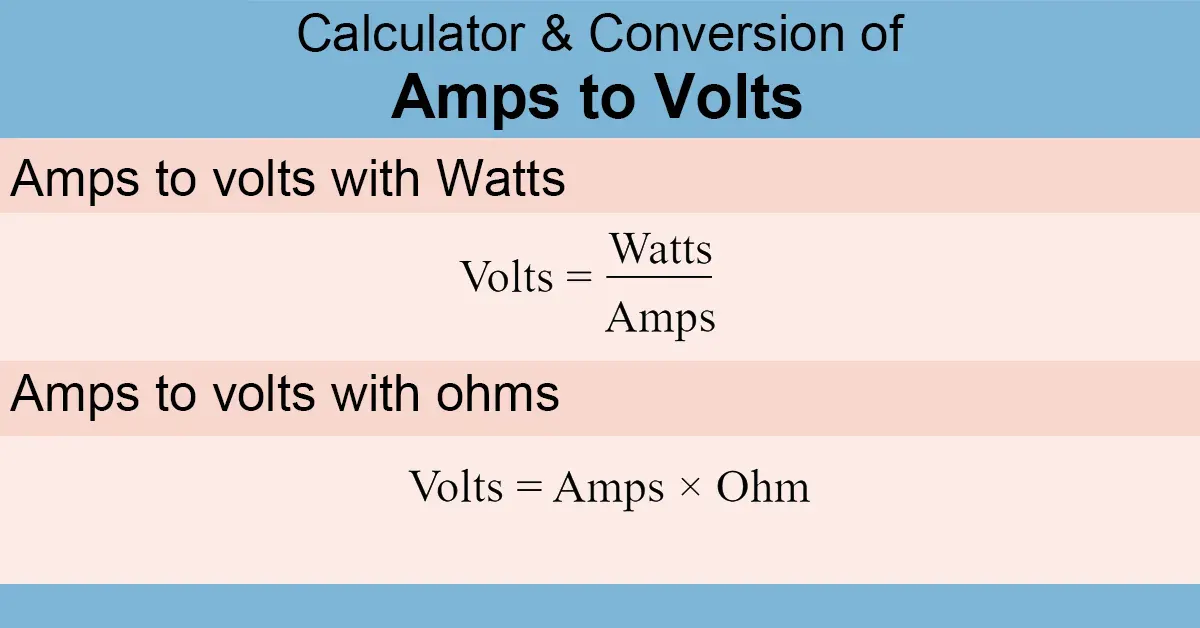
Amps To Volts Calculator
Instantly convert amps to volts using our free calculator. Choose single or three-phase systems and input power to get accurate voltage values online.
current calculator
Easily calculate electrical current using Ohm’s Law:𝐼= 𝑉/R, with instant results for amps from voltage, resistance, or power.
Horsepower to kw calculator
Convert horsepower (HP, PS/bhp) to kilowatts (kW) and back. Supports mechanical HP, metric horsepower, and electrical HP with precise, engineering-grade formulas.