

kW to VA Calculator
Convert kilowatts (kW) to volt-amps (VA) with our easy calculator. Input power and power factor to get accurate VA for electrical systems.
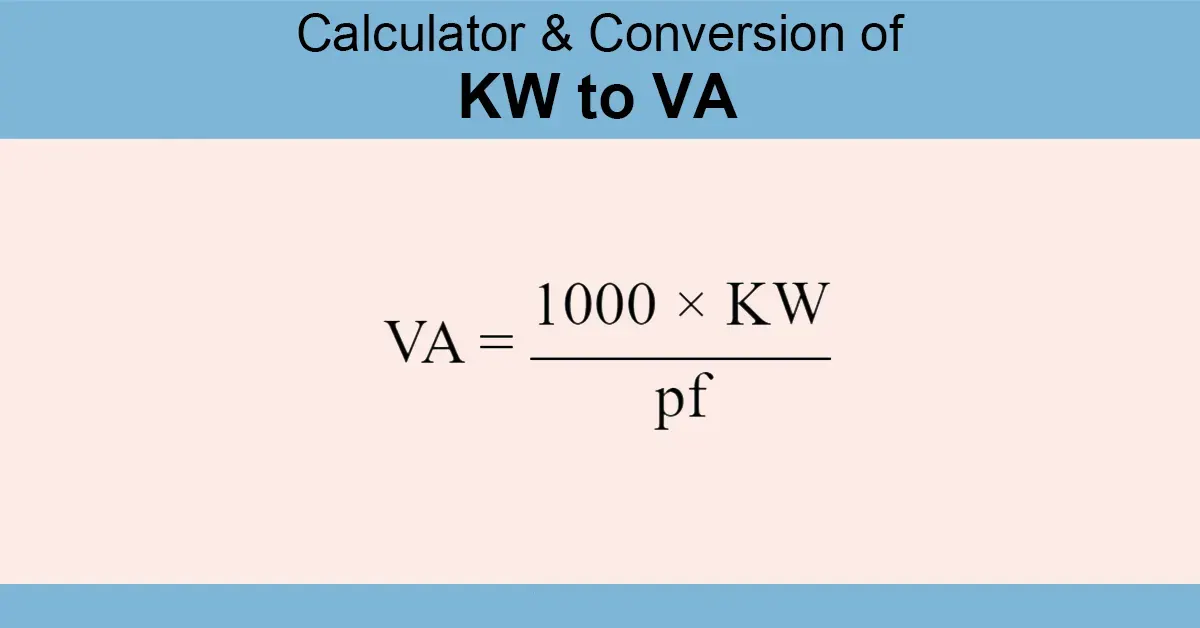
Quick Intro: Convert kW to VA
The kW to VA Calculator is a simple tool that helps you convert real power (kilowatts) to apparent power (volt-amps). In electrical systems, especially in AC circuits, the difference between real power (kW) and apparent power (VA) becomes important when power factor is involved. This calculator requires just two inputs – the power in kilowatts and the power factor (usually between 0 and 1). It’s useful for engineers, electricians, and solar or generator sizing applications where precise VA ratings are necessary. Whether you're working with motors, transformers, or inverters, this tool provides a fast and accurate conversion of kW to VA.
Formula to Convert kW to VA
VA = kW × 1000 ÷ Power Factor
Where:
- kW = Real power in kilowatts
- Power Factor = Decimal value between 0 and 1
- VA = Apparent power in volt-amps
kW to VA Calculator Overview
Convert kilowatts (kW) to volt-amps (VA) quickly with this accurate calculator. Enter power in kW and power factor to calculate total apparent power in VA easily.
Sample kW to VA Canversion Table
| Power (kW) | Power Factor | Apparent Power (VA) |
|---|---|---|
| 1 | 1.0 | 1,000 |
| 1 | 0.8 | 1,250 |
| 2.5 | 0.9 | 2,778 |
| 5 | 0.85 | 5,882 |
Frequently Asked Questions - kW to VA Calculator:
How do I convert kW to VA?
Multiply kilowatts by 1000, then divide by the power factor. VA = kW × 1000 ÷ PF.
What is a typical power factor?
Most residential and commercial loads have a power factor between 0.8 and 1.0.
Is VA always greater than kW?
Yes, unless the power factor is 1, VA is always greater than or equal to kW.
What is the difference between kW and VA?
kW is real power; VA is apparent power. VA includes both real and reactive power.
Do I need power factor to convert kW to VA?
Yes, the conversion depends on the power factor of the load.
Can I use this for 3-phase systems?
Yes, but ensure the total kW and power factor represent all phases.
How does a low power factor affect VA?
Lower power factor increases VA, meaning larger equipment is needed.
What if power factor is not known?
Use an estimated value like 0.85 for general-purpose calculations.
Can this help in generator sizing?
Yes, generator sizing is based on VA, not just kW.
What happens if I ignore power factor?
You may undersize or oversize your system, leading to inefficiency or failure.
Related Posts

KW to Volts Calculator
Convert kilowatts (kW) to volts (V) using this calculator. Input power, current, and phase type (single or three-phase) to get accurate voltage in electrical circuits.
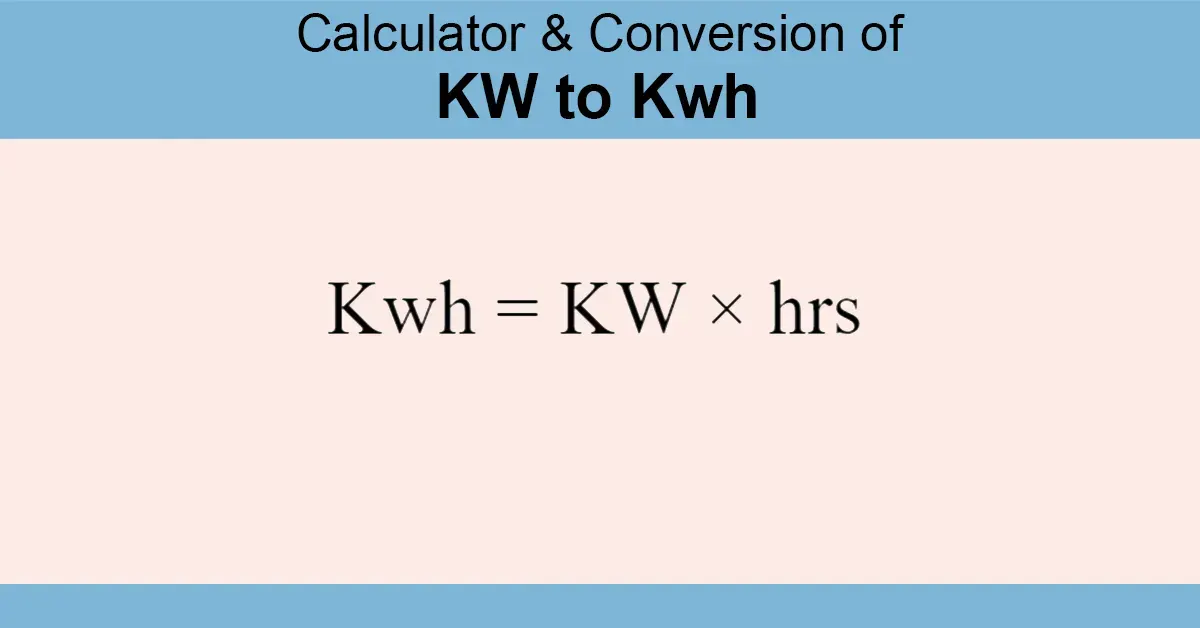
kW to kWh Calculator
Easily convert kilowatts (kW) to kilowatt-hours (kWh) using our calculator. Quick, accurate energy conversion for homes, industries, and solar usage.
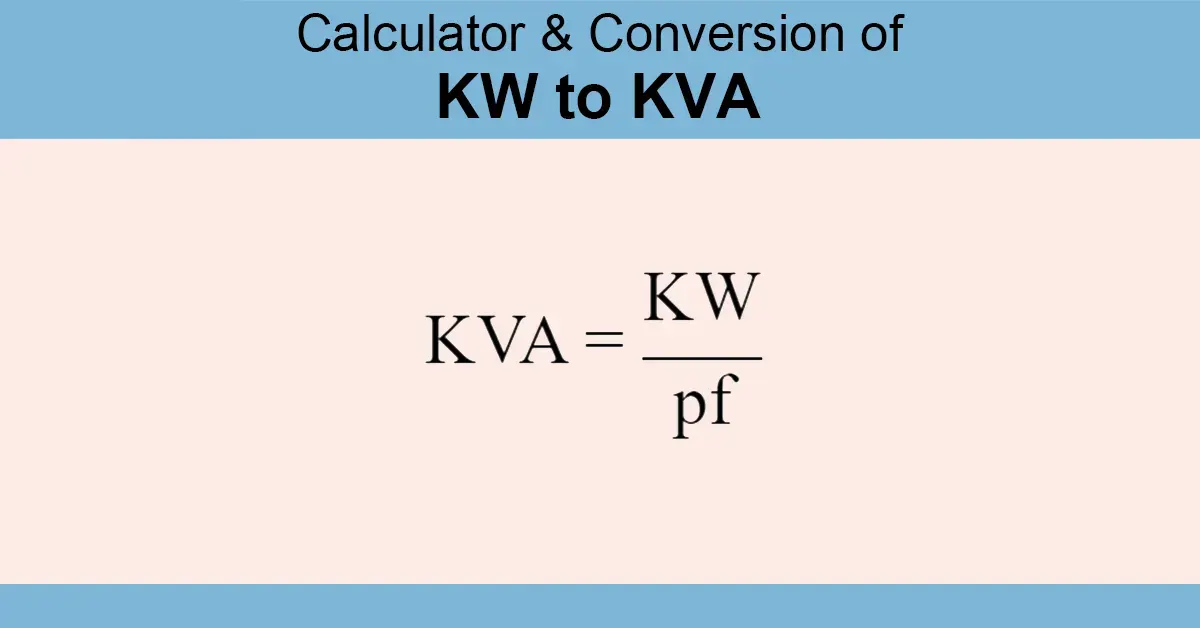
kW to kVA Calculator
Easily convert kilowatts (kW) to kilovolt-amperes (kVA) with our accurate calculator. Supports single-phase and three-phase systems.
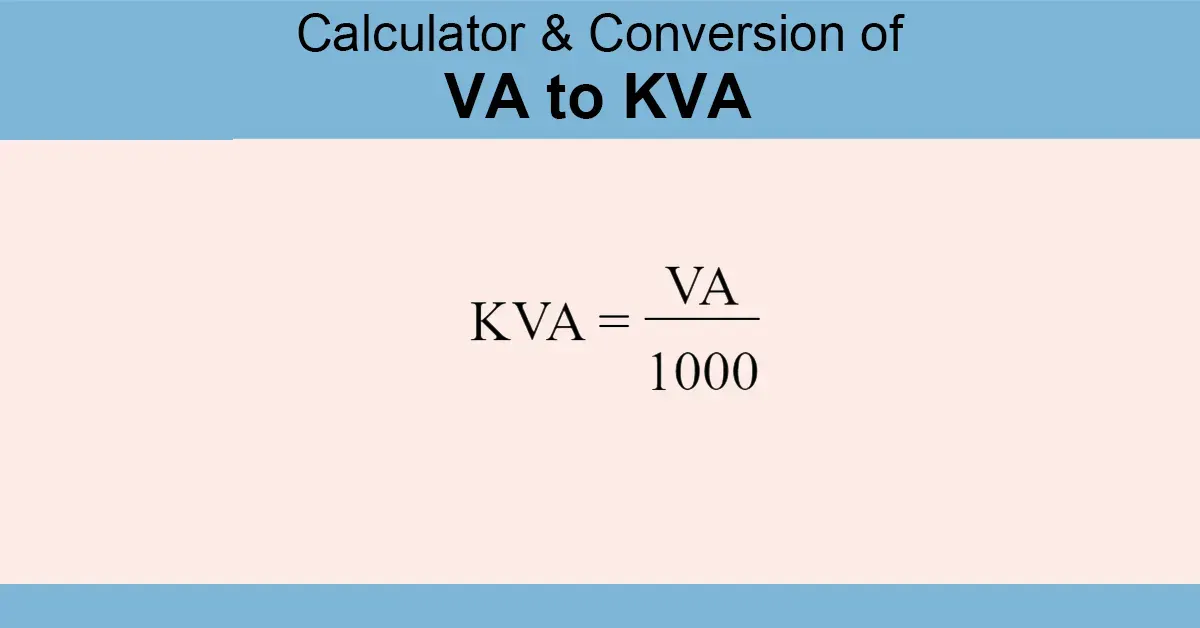
VA to kVA Calculator
Use our free VA to kVA calculator to quickly convert volt-amperes (VA) to kilovolt-amperes (kVA) with formula, examples, and conversion table.
VA to Watts Calculator
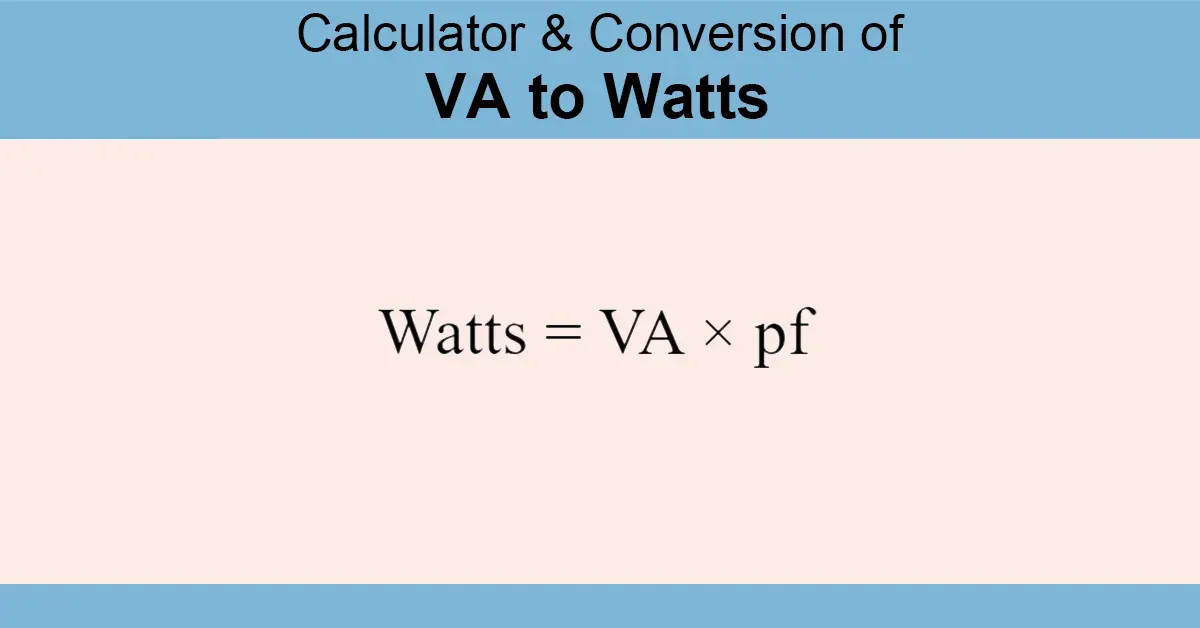
Easily convert VA (volt-amperes) to watts using this calculator. Works for both power factor-based and pure resistive circuits. Simple, accurate, and fast.
kw to refrigeration tons conversion
Convert kilowatts (kW) to refrigeration tons (TR) using TR = kW ÷ 3.517. Includes reverse TR to kW formula, tables, and HVAC cooling capacity guide.