


Bed switch connection wiring
Understand bed switch wiring with step-by-step diagrams, easy connection instructions, and common FAQs for safe bedroom lighting control.
Bedroom electrical switch
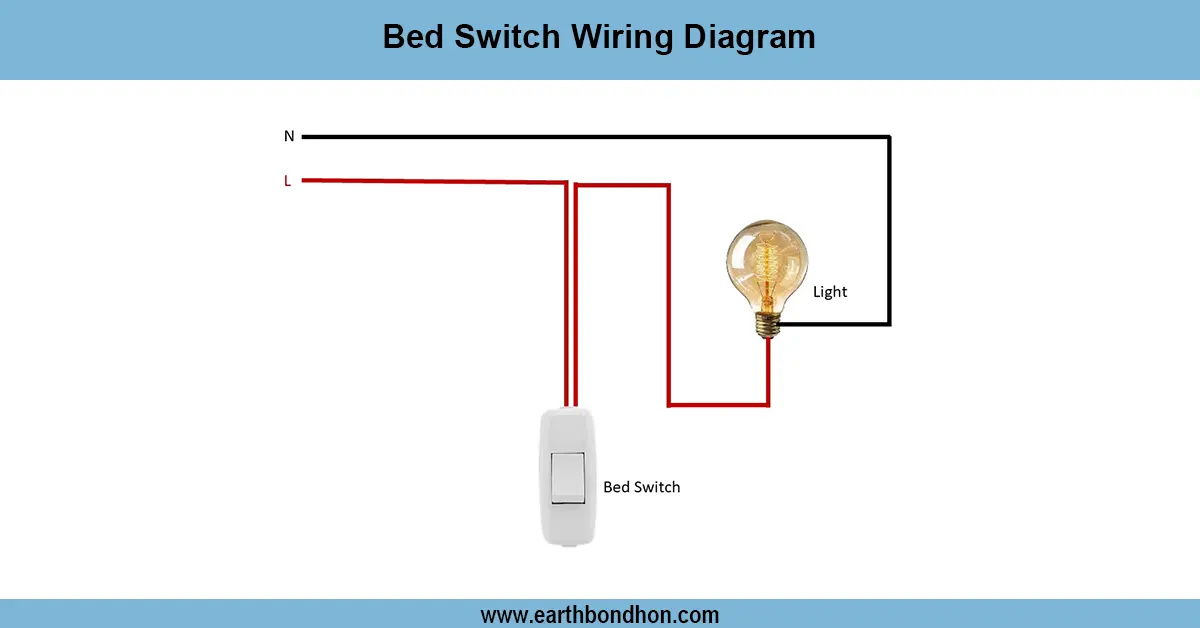
The bed switch wiring is a typical installation in most modern households that will enable the lights or fans to be controlled at the bedside. Using two-way switches and adequate wiring of the same, users are able to switch bedroom lights on/off at the door and off the bed with only two switches. This guide will show how the connection is supposed to work, give diagrams, and emphasize some safety tips. It suits electricians, weekend warriors, or any other person wishing to make life in the bedroom more convenient and comfortable.
Wiring Principle:
For a basic bed switch system:
- Use two 2-way switches
- Run two traveler wires between both switches
- Connect live (L) to switch 1, and output to the light/fan from switch 2
- Neutral goes directly to the light/fan
This method allows control of the same load from two different points.
Bed switch light control
One of the wire-ups of the bed switch connections enables the user to have control of the lights or the fan even when he is in bed. It usually has 2-way switches so that it can be controlled in 2 places, one by the door and one by the bed. This kind of wiring will improve convenience and the use of energy, particularly in bedrooms. The right installation procedure entails the phase and neutral being physically connected to the two switches, and the load connection does likewise. Safety should be ensured by using quality switches, good insulation, and adhering to the normal electrical standards. The objective will be to allow smooth control even without moving across the room. Night lamps or fan regulators can also be used along with the bed switch wiring. The knowledge of this arrangement assists in problem-solving and do-it-yourself setup.
home light switch wiring
| Input | Output | Switch Status |
|---|---|---|
| Switch 1 ON, Switch 2 OFF | Light OFF | Crossed |
| Switch 1 OFF, Switch 2 OFF | Light ON | Parallel |
| Switch 1 ON, Switch 2 ON | Light ON | Parallel |
| Switch 1 OFF, Switch 2 ON | Light OFF | Crossed |
Frequently Asked Questions - Bed switch connection wiring:
What is a bed switch wiring setup?
It allows light or fan control from both the bed and the room’s entrance.
What components are needed?
Two 2-way switches, traveler wires, and a light or fan load.
Can I use a regular switch for this?
No, 2-way switches are required to alternate connections.
Is this wiring safe for DIY?
Yes, if proper precautions are taken. Otherwise, consult an electrician.
What color wires are used?
Phase (red), Neutral (black or blue), and travelers (usually yellow/white).
Can I use this for fan and light together?
Yes, with proper separation and control wiring.
Does this work for inverter backup?
Yes, if inverter wiring is integrated correctly.
How do I troubleshoot if light doesn’t turn on?
Check both switches and traveler continuity.
Can smart switches replace these?
Yes, smart 2-way switches can add app or voice control.
Is this wiring allowed in all countries?
Yes, but follow local electrical codes for safety and compliance.
Related Posts
Basic House Wiring
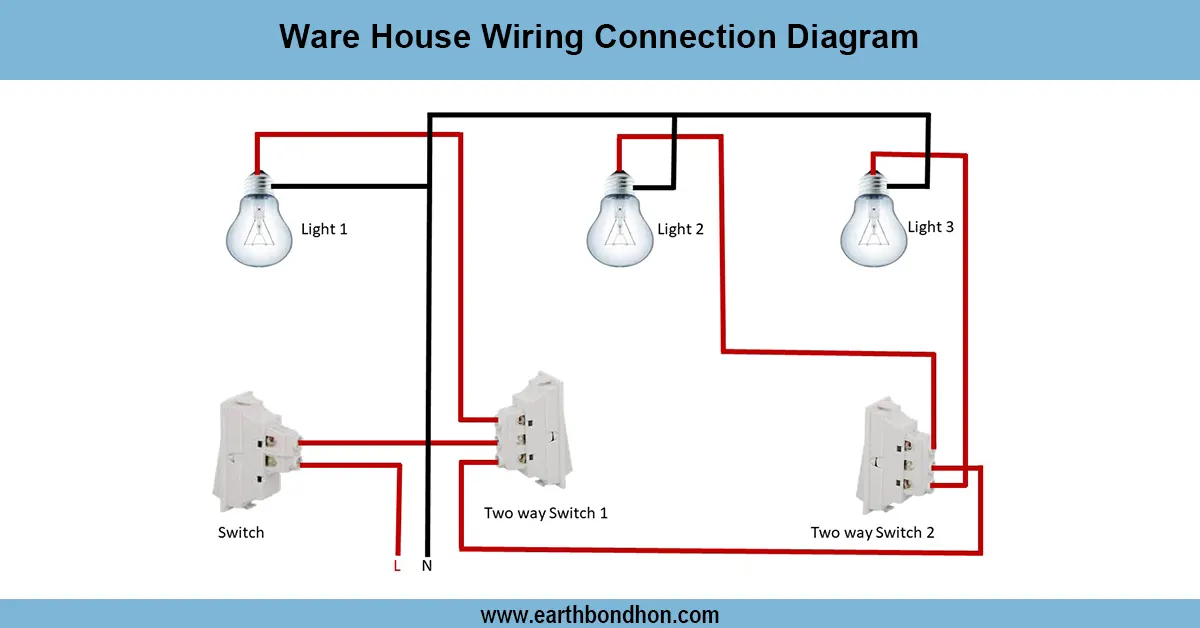
Learn warehouse wiring connection diagrams with clear layouts for lighting, power distribution, and equipment to ensure safety and energy efficiency.

3 Phase Line to Single Phase Wiring
Learn 3-phase line wiring installation for a single-phase supply in a house using a 3-phase meter with step-by-step wiring, safety tips, and an accurate setup guide.
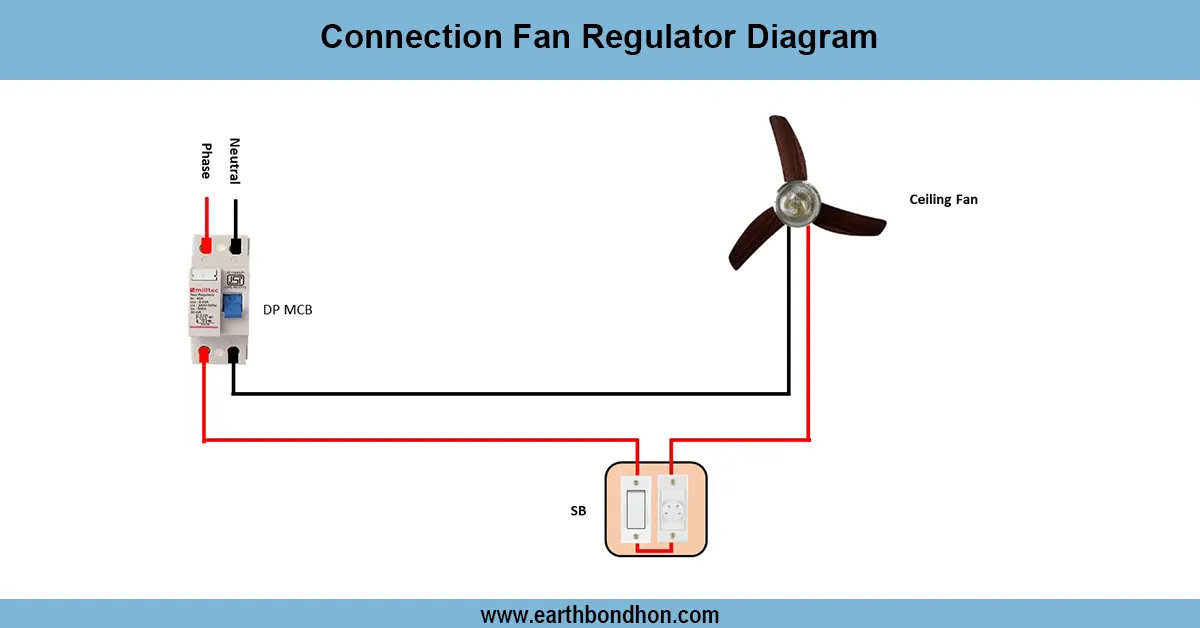
Regulator Connection With Ceiling Fan
Learn how to wire a ceiling fan with a regulator to control fan speed efficiently. Ideal for homes, this guide explains the correct connection for safety and functionality.
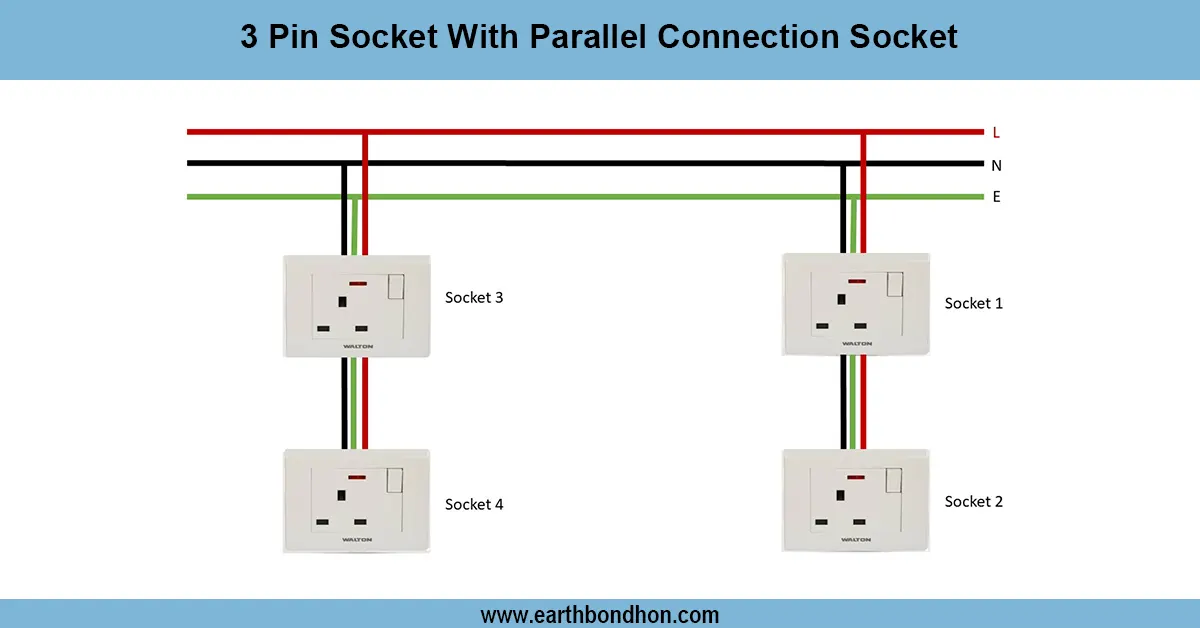
3 pin socket connection diagram
Learn how to connect a 3-pin socket properly using live, neutral, and earth wires. Ideal for household or office electrical installations.
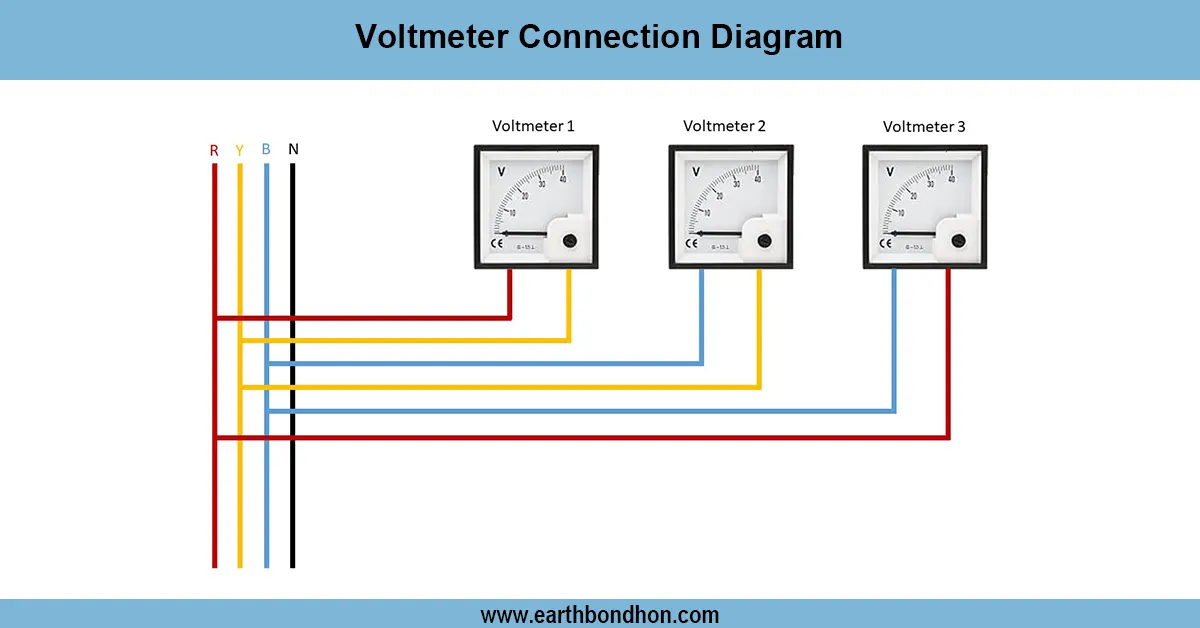
Voltmeter connection circuit diagram
Voltmeters are connected in parallel with whatever device's voltage is to be measured. A parallel connection is used because objects in parallel experience the same potential difference.
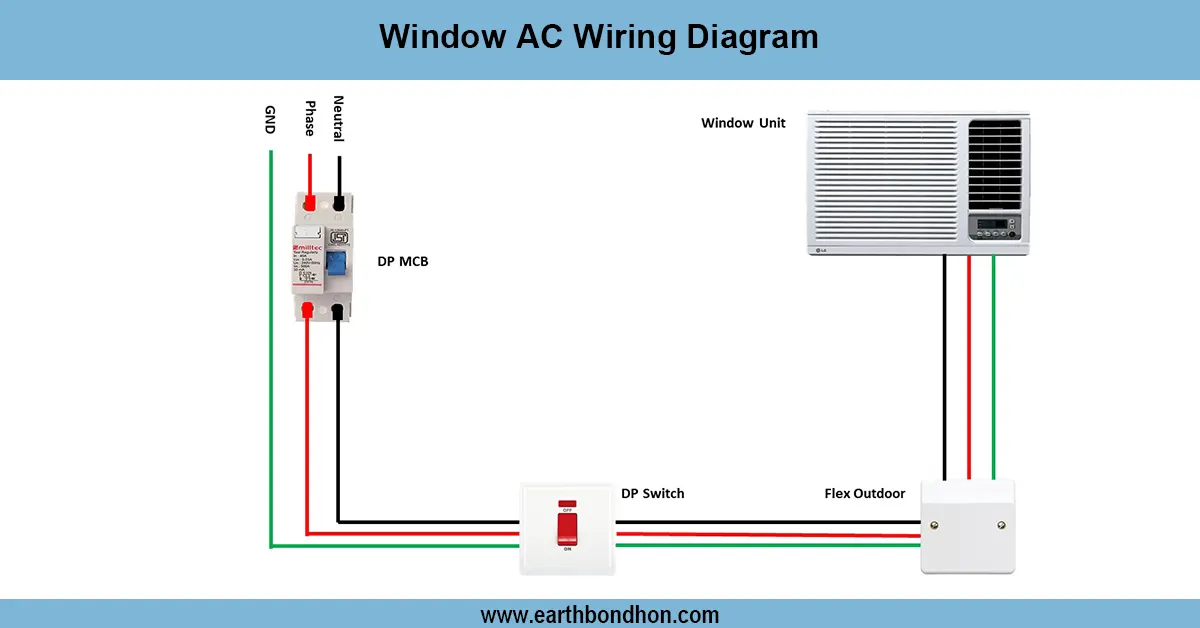
Window AC wiring
Detailed wiring diagram for window AC units covering power connections, thermostat wiring, compressor, fan motor, and safety components for safe operation.