

frequency to voltage calculator
Convert frequency (Hz) to voltage using the sensor or circuit’s sensitivity factor. Ideal for F/V converters, signal processing, and instrumentation.
frequency to voltage sensor calculato
In order to change frequency to voltage, multiply the signal frequency (Hz) by sensitivity of the device (V/Hz). This provides a straight linear relation in the majority of F/V converters.
Formula & Table Summary:
Formula:
\( V = f \times K \)
electrical signal converter
The Frequency to Voltage Calculator assists you in the process of changing the frequency of a signal, which is in units of hertz (Hz), to volts (V) using the conversion factor of your frequency-to-voltage circuit or sensor. Common uses of such conversion in electronics include in tachometers, audio processing and interpreting sensor data. The calculation of voltage can be done immediately as far as sensitivity (volts per hertz) is known. Take the example whereby a 0.01 volts per hertz sensor is utilized; this means that 200 hertz means 2 volts. The tool may be utilised by engineers, hobbyists and students in procedures related to frequency measurement, speed sensing and signal conditioning projects. It uses the direct proportion of frequency and voltage, so that accurate results may be obtained quickly without having to do math.
frequency to voltage conversion
| Frequency (Hz) | Sensitivity (V/Hz) | Voltage (V) |
|---|---|---|
| 50 | 0.01 | 0.50 |
| 100 | 0.02 | 2.00 |
| 250 | 0.01 | 2.50 |
| 500 | 0.005 | 2.50 |
Frequently Asked Questions - frequency to voltage calculator:
What is a frequency to voltage converter?
It’s a device or circuit that converts signal frequency into a proportional voltage.
How to calculate voltage from frequency?
Multiply frequency (Hz) by the sensitivity constant (V/Hz).
Where is this used?
In tachometers, speed sensors, audio systems, and control circuits.
What is sensitivity in V/Hz?
It’s the constant showing how many volts are produced per hertz.
Can it work with AC and DC?
Yes, depending on the F/V converter design.
Is the relationship always linear?
Most circuits are linear, but some may have non-linear response curves.
How to find the sensitivity constant?
Check the sensor datasheet or calibrate experimentally.
Can Arduino measure this?
Yes, using code and an F/V conversion circuit.
What if my sensor outputs in mV/Hz?
Convert mV to V by dividing by 1000 before calculation.
Can noise affect readings?
Yes, filtering may be required for stable voltage output.
Related Posts
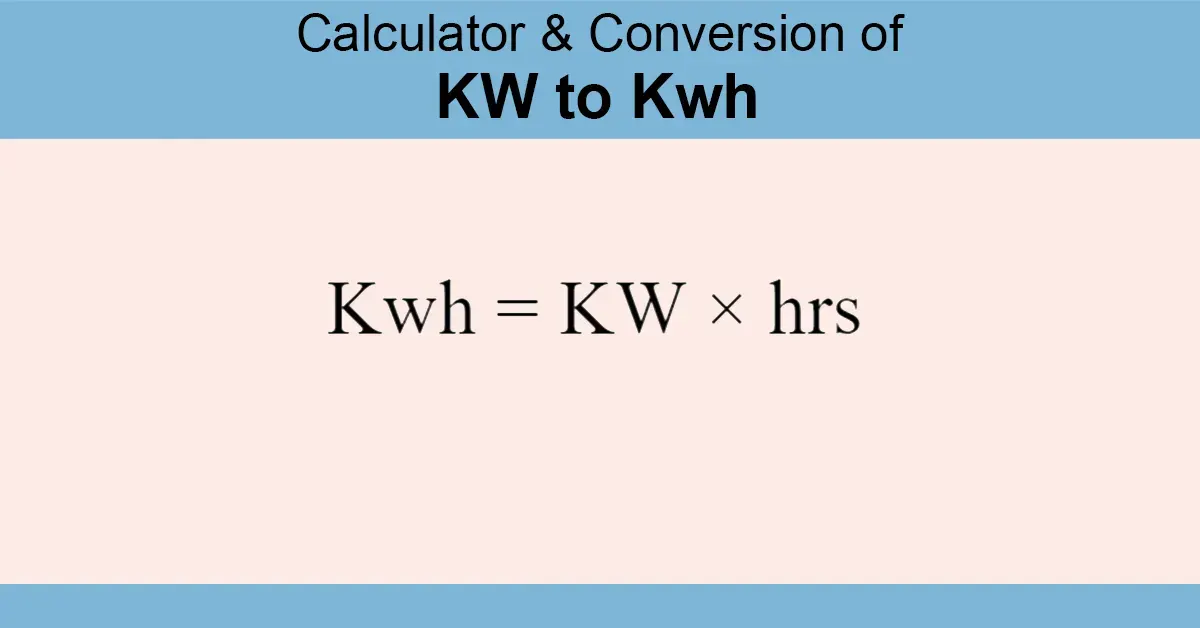
kW to kWh Calculator
Easily convert kilowatts (kW) to kilowatt-hours (kWh) using our calculator. Quick, accurate energy conversion for homes, industries, and solar usage.
load to voltage calculator
Estimate the voltage required by a load using power, current, or resistance. Enter known values (W, A, Ω) to instantly compute voltage for DC or resistive AC systems.
Refrigeration tons to kilowatts conversion
Convert refrigeration tons (TR) to kilowatts (kW) instantly. Uses 1 TR = 3.517 kW formula. Includes reverse conversion from kW to TR for HVAC and cooling systems.
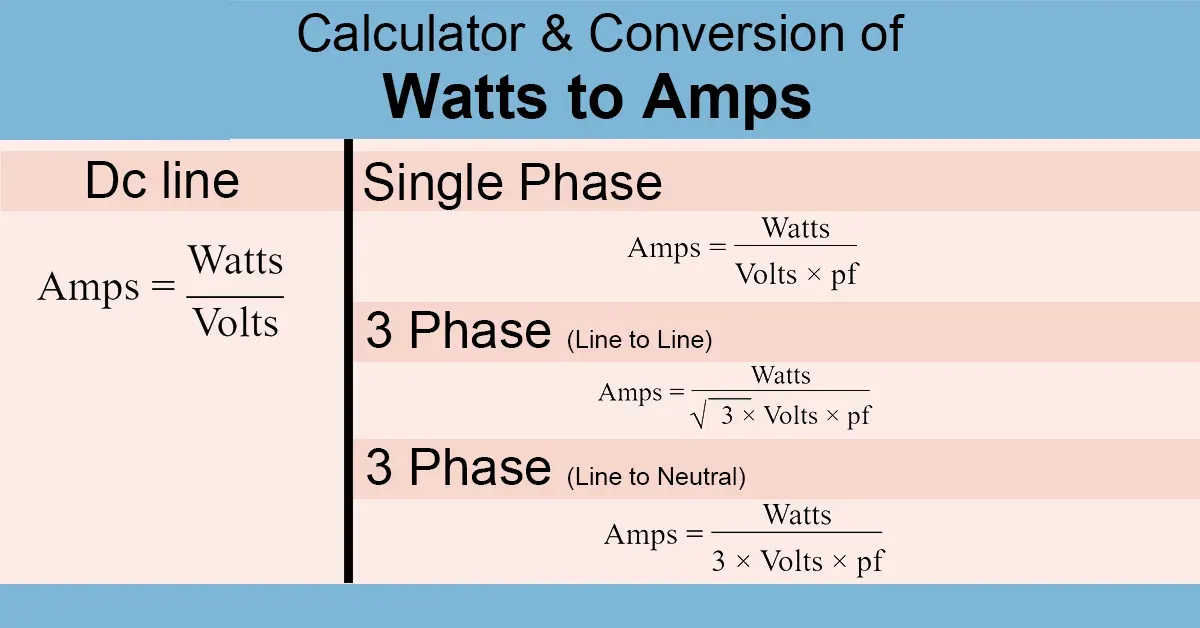
Watts to Amps Calculator
Quickly convert watts to amps using this free online calculator. Works for DC, single-phase, and three-phase AC systems. Instant, accurate electrical conversions.
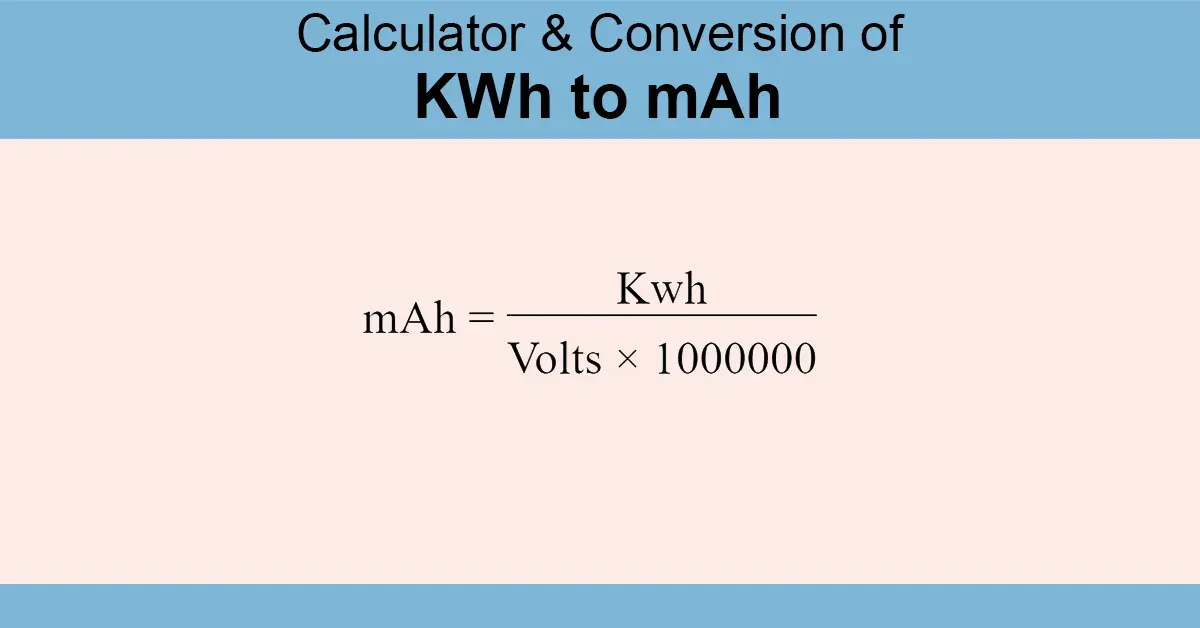
kWh to mAh Calculator
Instantly convert kilowatt-hours (kWh) to milliamp-hours (mAh) using voltage. Accurate battery capacity tool for energy, solar, and electronics projects.
Branch current calculator
Easily calculate the current in each branch of a circuit using voltage, resistance, or impedance. Works for DC and AC with accurate results.